Decision Visibility Across Hierarchies in Large Organizations
AI meeting transcription creates searchable decision records across organizational hierarchies.
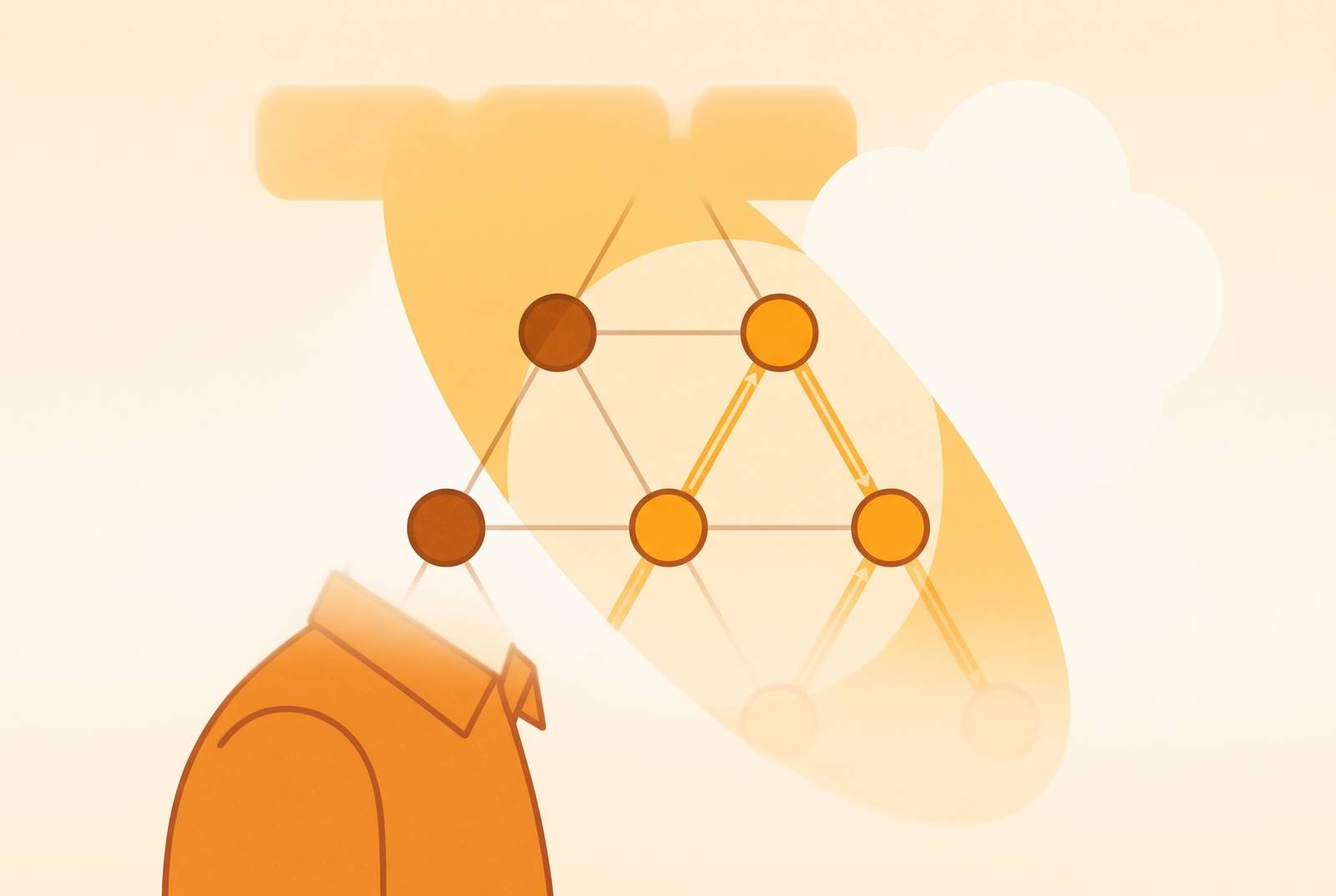
The dominant failure in large organizations is that decisions become invisible the moment the meeting ends. A decision made in a senior leadership meeting has to travel down through layers of people, and each layer interprets it, filters it, or never receives it. Anyone absent from the room, any stakeholder sitting in a different function, anyone who joined the team after the fact, has no reliable way to find out what was actually decided. What they get instead is whatever one participant happened to remember and happened to pass along.
The consequences compound. Decisions get argued over a second time because nobody can point to where they were settled the first time. Context drops out at every handoff between teams. The decision happened. What didn't happen is any durable record of it surviving past the room it was made in.
Taking notes by hand moves the problem somewhere else instead of solving it. One person's notes reflect what that person found worth writing down, nothing more. The failure here is structural. The failure is structural: the absence of any system built to carry a decision past the moment it was made.
What AI meeting transcription produces
AI meeting transcription, done well, produces something well beyond a wall of text. It produces a record that is structured, tied to specific speakers, and searchable, built to carry decision context to people who were nowhere near the room where the decision happened. The pipeline behind this has three layers: speech recognition turns audio into text, a diarization layer works out who said each thing, and a language model on top generates summaries, pulls out action items, and shapes the output into something usable.
Speaker diarization, the step that reliably ties specific words to specific people, ensures a decision record can say who committed to what. That accuracy drops in rooms with multiple overlapping speakers or a lot of crosstalk. The condition of the audio matters almost as much as the quality of the model behind it. Clear audio, a conversation that follows some structure, common vocabulary, and a small group of speakers all help accuracy. Bad microphones, people talking over each other, jargon specific to one team, and large meetings all hurt it.
The newer wave of these tools goes further still, pulling out action items as the meeting happens, tracking whether those items get resolved, and organizing summaries into clear categories: decisions made, action items with named owners and due dates, and the main points of discussion. The organizational value sits in the distinction between transcription as plain text and what gets called meeting intelligence. A raw transcript isn't a decision record on its own. A summary that's structured, attributed to the right people, and searchable is. Testing the tools on the market turns up a consistent pattern: most of them transcribe well, but almost none of them handle what should happen after transcription. Action items get captured and then sit there. Summaries land in a standalone app that nobody opens again.
Capturing decisions inside a meeting tool without routing them elsewhere
A decision sitting inside a meeting tool is still invisible to anyone who wasn't in that meeting and has no reason to go looking for it. Capturing a decision and making it visible across an organization are two separate problems, and only routing that decision into the tools people already use solves the second one. People don't open a meeting notes app on their own. They check Slack, their CRM, their project tracker, their inbox. Decision context has to appear where people are already working, or it doesn't reach them.
Sales teams offer the clearest example. Syncing a meeting straight into the CRM in real time, so that a rep never has to manually log what a client committed to on a call, means that commitment is visible to anyone with CRM access, not just the person who happened to be on the call.
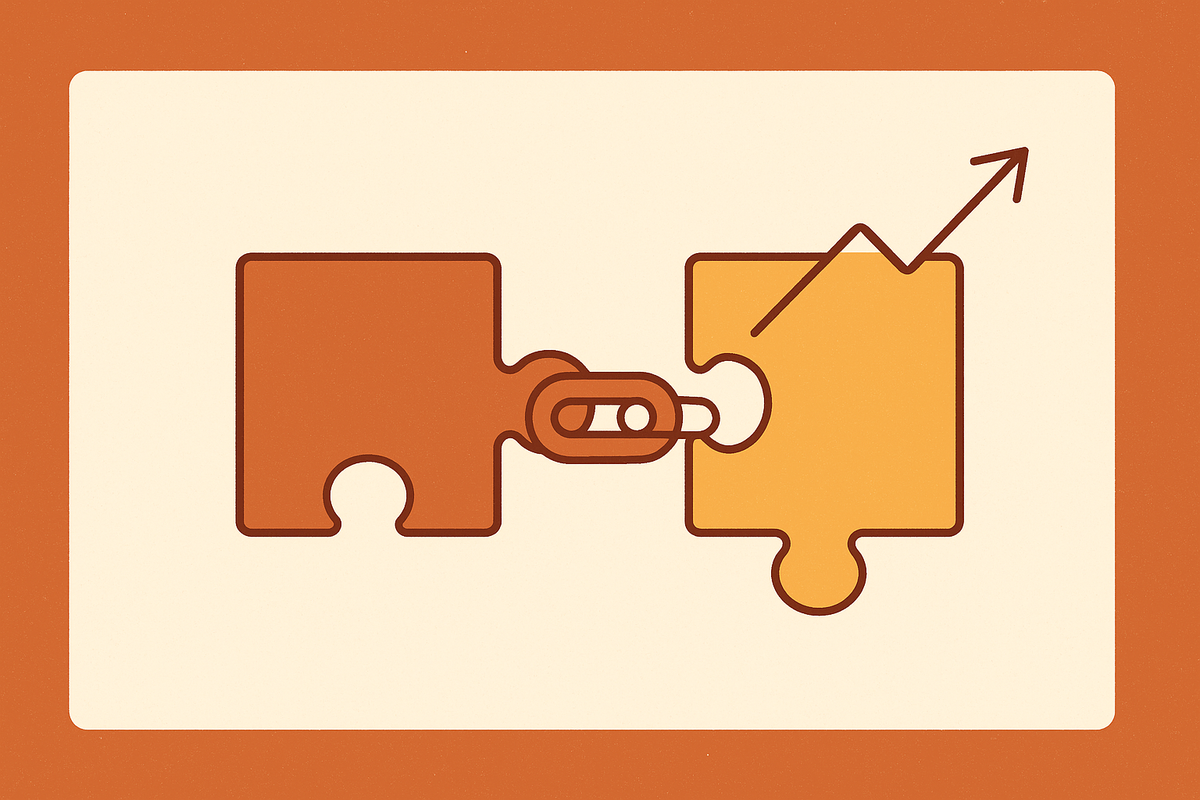
Low-code connector platforms are what make this kind of bridging possible between meeting tools and the systems an organization already runs on, whether that's a CRM or a project tracker. Once a meeting record is wired into a workflow this way, it stops being a document someone has to remember to forward. It becomes a trigger that updates the systems other people are already watching to track what's been committed to and what's moving.
None of this is free of risk. Field mappings need to be checked, duplicate records need to be handled, and failure alerts need to be in place before any workflow touching revenue goes live, because automation amplifies mistakes just as readily as it amplifies efficiency.
Accumulated meeting data as organizational memory across hierarchical layers
The loss of organizational memory is a hierarchy problem: knowledge reachable by one level is unreachable by another. Knowledge sitting in a senior employee's head, or buried in a meeting note nobody else can find, is simply unreachable for anyone at another level who needs it. An AI system that indexes meeting history and makes it searchable is now the most workable way to close that gap.
When someone leaves a company, the knowledge they carried, both the kind that's easy to write down and the kind that isn't, usually leaves with them. The more advanced versions of these systems go further and surface relevant context on their own. If an engineering team starts discussing a feature the organization already tried once, the system can surface the original rationale and the post-mortem from that attempt, which keeps the team from unknowingly re-arguing a question that was already settled.
Fast growth makes the underlying risk worse, since high turnover puts institutional knowledge constantly at risk, and a searchable meeting archive acts as a structural hedge against losing it. This kind of cross-meeting search changes which questions an organization can actually answer. Anyone with access to the system can answer what the board decided about pricing last quarter, not only whoever happened to be sitting in that meeting. This is the real mechanism by which a pile of meeting recordings turns into something closer to strategic infrastructure. Document repositories and wikis never managed this, because they depend on someone deciding in advance what's worth writing down and filing it correctly. Searchable meeting memory doesn't require that step, which lets it reach across levels that static documentation never could.
MCP's role in connecting meeting history to existing AI tools
Organizational memory only matters if it reaches someone at the moment they need to act on it, and that's what the Model Context Protocol, or MCP, is built to do. By late 2025, MCP had grown to a large number of monthly SDK downloads and a substantial number of active public servers, and by mid-2026 it functions as something close to a standard that works across vendors rather than belonging to any one of them.
In practice, once a meeting tool is connected through MCP, an assistant can search an organization's full meeting history, pull out action items, surface what was committed to, and draft a follow-up, all without the user leaving the tool they're already working in or copying anything over by hand. A developer working in a code editor can pull up the technical discussion from an earlier planning meeting without leaving the editor. A sales rep writing a follow-up email in one assistant can pull the exact details of what was promised on a client call. A project manager can ask another assistant to update a tracker based on a standup without switching to another app to do it.
Whether a connection runs in both directions matters. There's a security consideration here that shouldn't be glossed over. Prompt injection through tool output is a real risk. A data source that's been compromised, or simply malicious, could return content built to manipulate the model into calling other tools or leaking data it shouldn't. If an MCP server returns something like CRM notes written by a user, the model treats that as context, and it has to be handled with that risk in mind. Meeting data is one of the richest sources of context available to AI tools today, and most organizations barely use it. MCP is the piece of infrastructure that puts it to work, making the record of what was decided available at the exact moment someone needs to act on it.
The consent and compliance requirements that govern what organizations can legally record and retain
None of this holds up if the recording itself isn't legally sound. Every organization deploying AI meeting recording operates inside a binding legal framework that shifts depending on jurisdiction, the type of meeting, and where participants are located, and getting this wrong can expose the organization to liability serious enough to shut the whole program down.
No jurisdiction treats a recording bot's visible presence on a participant list as legally sufficient notice or consent on its own. Consent means people actually understand and agree to what's happening. Participants need to know what's being recorded, how it will be used, who gets access to it, and how long it will be kept. In one major jurisdiction, data protection law adds a parallel obligation: a recording becomes personal data the instant someone identifiable speaks, appears on screen, or is named in the transcript, and regulators look closely at whether an employee could genuinely say no to being recorded without facing consequences at work.
NYC Bar Formal Opinion 2025-6 addressed attorney-client calls specifically, holding that recording those conversations without disclosure is deceptive under the professional conduct rules, even in a one-party-consent state like New York. As of 2026, class action suits are challenging consent practices tied to default auto-join settings and limited notice to participants, arguing that they don't amount to valid consent under federal and state wiretapping law. Privacy concerns remain the top barrier cited by businesses considering broader adoption of AI note-taking tools, which makes getting the compliance architecture right a direct enabler of adoption rather than a box to check afterward. Organizations that build consent in correctly are the ones that get to deploy at scale. Organizations that skip it don't end up with decision visibility. They end up with liability.
Bot versus botless recording and organizational trust
A recording either appears as a visible bot in the meeting or runs quietly in the background, and that choice isn't a matter of taste. It carries different legal, trust, and governance consequences, and teams need to choose deliberately rather than falling into whichever option their tool happens to default to.
Bot-based recording means a named participant joins the call, visible to everyone in attendance. That visibility creates a clear signal that recording is happening, though it doesn't by itself satisfy consent requirements on its own. It's the right default for external meetings, where the people on the other end may have no expectation that anything is being recorded. That approach fits internal meetings where everyone has already been told recording happens and has agreed to it through documented company policy, and it avoids the friction that comes with an AI bot sitting visibly in the call.
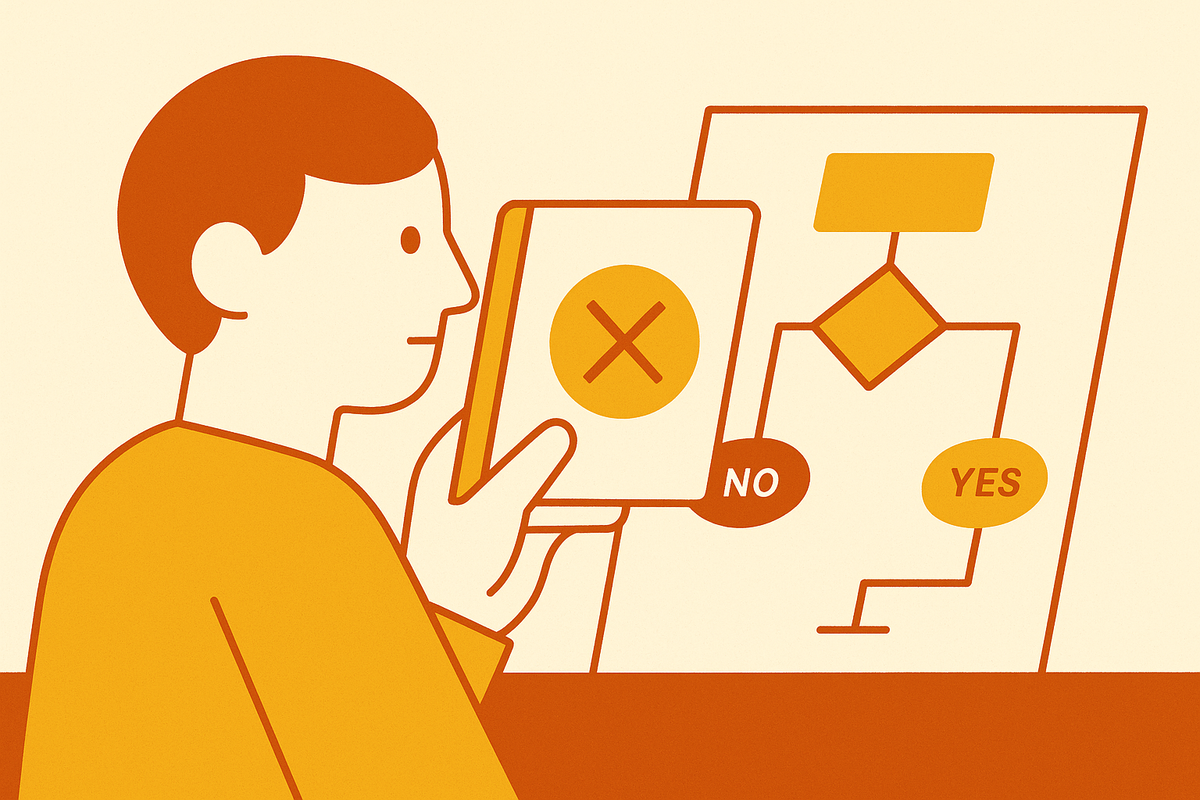
The governance requirement doesn't change based on which mode is used. Participants need to understand that they're being recorded, how that record will be used, who can see it, and how long it sticks around, regardless of whether the recording shows up as a bot or runs invisibly. Choosing between bot and botless recording is a decision that should be made on purpose, with a clear sense of what's legally and organizationally at stake either way. Defaulting to one or the other without a real policy behind it is itself a failure of governance.
Decision visibility infrastructure at organizational scale
A decision made in a meeting gets transcribed with accurate speaker attribution, structured into a summary that separates decisions from action items from discussion points, and routed automatically into the CRM, the project tracker, or the Slack channel where the relevant team already works. That same meeting becomes part of a searchable archive, so that months later, someone who wasn't in the room can ask what was decided and get a real answer instead of a guess. An AI assistant connected through MCP can pull that context into whatever tool someone is already using, whether that's a developer in a code editor or a rep drafting a follow-up email. All of it runs inside a consent framework that was built deliberately, with bot or botless recording chosen based on meeting type rather than habit, and with IT policy governing which conversations get captured.
None of these pieces does the job alone. Transcription without routing produces a record nobody finds. Routing without a compliant consent framework produces liability instead of trust. Organizational memory without a way to surface it at the point of use produces an archive nobody queries. The organizations closing the gap between a decision made and a decision known treat all of this as one connected system rather than a transcription tool bolted onto existing workflows. That system is what decision visibility actually requires: a record that survives the room, travels to where people already work, and stays reachable by anyone in the organization who needs it, regardless of where they sit in the hierarchy or whether they were ever in the meeting.